
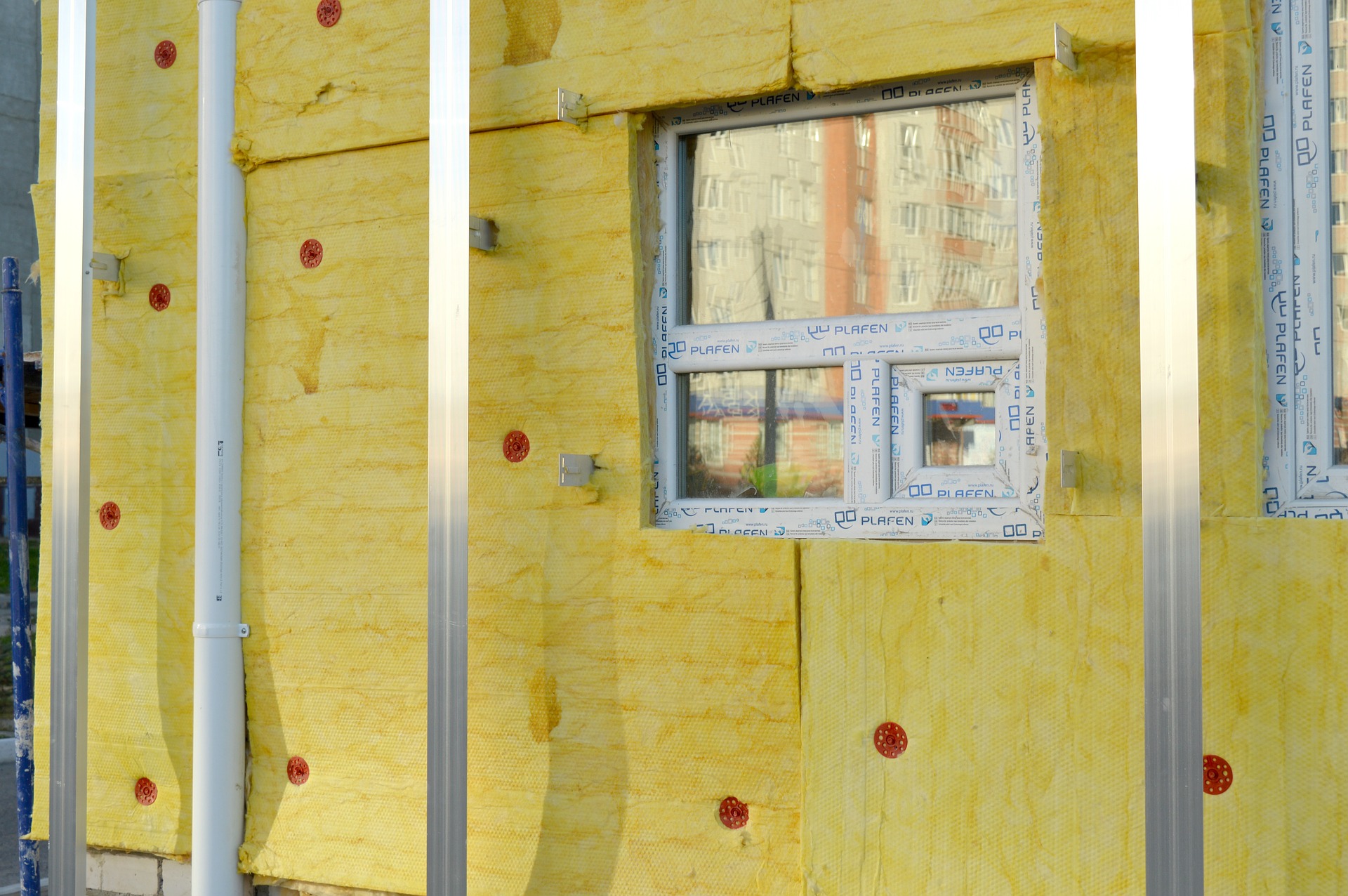
In order to save energy, to improve your comfort, but also to reduce your expenses, to insulate your house correctly is essential. The advantages of a good insulation are numerous. Here are some points on which you should focus in order of priority:
An insulated roof or attic = 30% savings
In accordance with recent standards, it is found that between 18 and 20 cm thick is sufficient for a good roof insulation. Many choices of materials are available to you. There are two main types of insulation. First, synthetic materials (polyurethane, polystyrene, …) are less expensive but more difficult to install. Secondly, mineral or natural materials (glass wool, rock wool, hemp, …) which offer a guarantee of ecology of materials. Regarding the insulation of the attic, if you want to do the work yourself, you can unroll rolls of insulating wool on the floor of the attic. This will also provide good insulation through the floor.
Insulated walls = up to 25% savings on your heating bill
Walls are the 2nd largest source of energy waste. The idea here is to put an insulating layer between the exterior and interior walls. A cavity wall can be insulated either by injecting foam, flakes or granules by having a minimum of 5 cm of void for this.
Double glazing = 15% less heat loss
At present, the most interesting and affordable system is to have double glazed model. In fact, this system is composed of two panes of glass separated by an “air gap”, consisting of gases with a higher thermal resistance than air (argon or krypton). To keep the heat, we can protect its glass surfaces with thermal curtains.
-
To properly insulate its floor, it is necessary to take into account several constraints such as the height between floor and ceiling and accessibility. If the floor is in the basement, a false ceiling system will suffice. If the house is on one level (i.e., on one floor only), it is more appropriate to install insulation panels on the existing floor and cover them with new flooring. You can also place carpets or carpeting on the floor offering good thermal insulation on the floor and helps to keep the heat of the house.
Other tips:
- Being sure to ventilate your home is essential to avoid the appearance of moisture or mold in the home.
- Closing the shutters at night helps keep your home warm at night.
- Placing a sheet of aluminum behind the radiator to radiate heat rather than absorb it.